
Nayara Energy, India's largest private fuel retailer, has reduced petrol prices by Rs 5 per litre and diesel by Rs 3 per litre nationwide, marking the first such cut in over two years. This reduction follows easing tensions in West Asia and stabilised international crude oil prices, though public sector retailers have not yet followed suit.

Government sources indicate a potential increase in petrol and diesel prices due to rising global crude oil costs and losses incurred from a prolonged freeze on retail rates.

The government has dismissed speculation of an imminent increase in petrol and diesel prices, assuring citizens that there are no plans for a hike despite rising crude oil costs.

The Indian government has refuted claims of an impending Rs 25-28 per litre hike in petrol and diesel prices post-assembly elections, stating no such proposal is under consideration by the Ministry of Petroleum and Natural Gas.
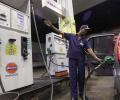
Despite international crude oil prices falling to a four-month low, retail petrol and diesel prices in India are unlikely to be cut immediately because state-run refiners are still processing costlier crude purchased during the peak of the West Asia crisis, Oil Minister Hardeep Singh Puri said.

Petrol price has been increased by 87 paise in Delhi from Rs 98.64 to Rs 99.51 per litre. Diesel rates have gone up by 91 paise from Rs 91.58 to Rs 92.49.

Petrol and diesel prices in India have been increased by Rs 3 per litre each, marking the first rate hike in over four years. This decision follows a period of stable prices during recent state elections, despite rising global crude oil prices and significant losses for fuel retailers.

Petrol and diesel prices in India have been increased for the second time in a week, following a long freeze on revisions. The increase comes as global crude prices surge and state-run oil firms look to recoup losses.
Petrol and diesel prices have been increased by Rs 3 per litre each, marking the first hike in over four years, as state-run fuel retailers pass on some of the impact from surging global crude prices, which have been exacerbated by the Iran war.

Nayara Energy, a private fuel retailer in India, has increased petrol and diesel prices following a surge in global oil prices due to Middle East tensions. This move contrasts with state-owned retailers who continue to freeze prices.
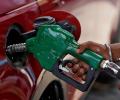
Petrol diesel price today March 20, 2026: IOCL & HPCL hike premium petrol (XP95, Speed, Power) by 2/litre and industrial diesel by 22/litre. Regular petrol in Delhi 94.77, diesel 87.67 unchanged. Full city-wise rates inside.
Petrol diesel price today March 20, 2026: IOCL & HPCL hike premium petrol (XP95, Speed, Power) by 2/litre and industrial diesel by 22/litre. Regular petrol in Delhi 94.77, diesel 87.67 unchanged. Full city-wise rates inside.

'If crude remains above $100 per barrel, with restricted retail-price increases, OMCs could face negative petrol and diesel marketing margins, higher LPG under-recoveries, higher crude-landing, freight and insurance costs, working capital and debt accumulation and inventory losses if crude subsequently corrects sharply.'
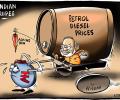
Price of international crude oil - the raw material for making petrol and diesel - dropped to a three-year low before marginally recovering but a revision in domestic petrol and diesel rates is likely only if lower rates are sustained, industry sources and officials said. Global oil benchmark Brent crude futures fell below $70 per barrel on Tuesday - the first time since December 2021 - but gained thereafter after Hurricane Francine hit crude supply in the Gulf of Mexico. Brent rose above $71 a barrel on Thursday while West Texas Intermediate advanced to trade near $68.

Petrol and diesel prices in India have seen their fourth increase in less than two weeks, pushing cumulative hikes to nearly Rs 7.5 per litre since May 15, reaching their highest levels since May 2022. This surge, driven by global crude oil costs and the Iran conflict, is expected to exacerbate inflationary pressures and raise transportation costs across the economy.
State-owned Indian Oil Corporation (IOC), Bharat Petroleum Corporation Ltd (BPCL), and Hindustan Petroleum Corporation Ltd (HPCL) are reportedly incurring losses of Rs 18 per litre on petrol and Rs 35 per litre on diesel, as they continue to absorb rising crude oil costs without increasing retail prices. This situation is leading to expectations of a fuel price hike after upcoming state elections.

Tata Motors has officially launched the Tata Sierra #DARK in India, with prices starting from 13.99 Lakh (ex-showroom). This new edition features a Friesian Black exterior, a Violet Eclipse interior, and a range of engine and transmission options across multiple variants.

Congress leader Rahul Gandhi on Monday launched a scathing attack on Prime Minister Narendra Modi over the latest fuel hike, saying mehangai manav has struck again and he has just one job of making promises during elections and attacking people's pockets at other times.
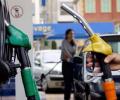
International oil prices continue to be extremely volatile, falling on one day and rising thereafter, a top oil ministry official said explaining the reason behind no reduction in petrol and diesel prices despite softening in input cost, but could not say if the rates will be cut before Maharashtra elections. Global oil benchmark Brent crude futures fell below $70 per barrel last week -- the first time since December 2021 -- but gained thereafter. Brent was trading at $74.58 per barrel on Thursday while West Texas Intermediate advanced to trade at $71.71.
Petrol and diesel prices were cut by Rs 2 per litre each as state-owned oil companies ended a nearly two-year-long hiatus in rate revision, just hours before the general election schedule was announced.

Skoda Auto is strategically navigating the competitive Indian automotive market by prioritising profitable growth, exploring new powertrain options like CNG and a limited diesel return, and gearing up for a locally produced electric SUV, all while expanding its retail footprint.

'With factories starting early for the next season, fresh sugar will enter market 10-15 days earlier than usual, and sugar price are expected to remain affordable in near term.'

Kerala is facing increased inflationary pressure due to recent hikes in petrol and diesel prices, according to Chief Minister V D Satheesan. The state's economy is also impacted by the decline in remittances from the Gulf and higher oil prices.

State-owned refiners Bharat Petroleum Corporation Ltd (BPCL) and Hindustan Petroleum Corporation Ltd (HPCL) have reported substantial losses for the first quarter of financial year 2026-27 (Q1FY27), primarily driven by a sharp increase in crude oil prices exacerbated by the ongoing West Asia crisis and suppressed marketing margins on petroleum products.
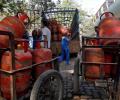
Domestic cooking gas (LPG) prices have increased by Rs 29 per cylinder, marking the second hike in three months due to rising global energy costs. This follows broader fuel price increases for petrol, diesel, and CNG, with state-owned retailers still incurring significant losses despite the revisions.

India's wholesale price index (WPI) inflation surged to 9.68 per cent in May, up from 8.26 per cent in April, primarily due to significant increases in the prices of fuel and power, manufactured goods, and food items.

Mahindra has launched the Thar OG, an upgraded version of its popular SUV, built on a new M Glyde 4G platform with advanced features like Frequency Dependent Damping and Electric Power Steering, while retaining an accessible starting price of 10.32 Lakh.

India Inc's first-quarter earnings season was significantly impacted by the West Asia conflict, leading to rising costs, calibrated price increases, and margin pressures across various sectors including FMCG, automotive, steel, and cement. Companies are implementing price hikes to protect profitability, with many anticipating further escalations if input costs remain elevated.

Hardeep Singh Brar, President and CEO of BMW Group India, has urged state governments like Delhi to remove price caps on road tax benefits for electric vehicles (EVs), arguing that such limits deter luxury-car buyers and hinder the transition to cleaner mobility in pollution-affected regions.
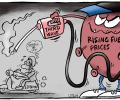
Petrol price on Thursday was hiked by 35 paise per litre and diesel by 15 paise, pushing rates to a new high across the country. Petrol in Delhi now costs Rs 101.54 a litre and diesel Rs 89.87 per litre, according to a price notification of state-owned fuel retailers. The increase comes after rates stayed mute for three days. Petrol price was last hiked on July 12, on a day when diesel rates had seen its first reduction in almost three months. The increase on Thursday neutralised the 16 paise price cut in diesel on July 12.

The petroleum ministry on Friday reaffirmed the government's commitment to maintaining stable petrol and diesel prices, despite India's high dependence on imports.

The Indian government has restricted industrial, commercial, and institutional users from purchasing petrol and diesel from retail petrol pumps, directing them to bulk sale points instead. This move, which can last up to 90 days, aims to address abnormal demand growth and prevent localised shortages caused by a significant price difference between retail and bulk fuel prices.

The government will lift restrictions on the sale of petrol and diesel to commercial and industrial consumers from July 1, easing emergency measures imposed to manage fuel supplies.

Upcoming Mahindra Scorpio Lifestyler 2027: Expected Price & Features!
Petrol and diesel prices on Thursday were hiked by 35 paise per litre each, the second consecutive day of increase that took pump rates across the country to record high levels. The price of petrol in Delhi rose to its highest-ever level of Rs 106.54 a litre and Rs 112.44 per litre in Mumbai, according to a price notification of state-owned fuel retailers. In Mumbai, diesel now comes for Rs 103.26 a litre; while in Delhi, it costs Rs 95.27 per litre.
State-run oil-marketing companies (OMCs) are unlikely to significantly raise petrol and diesel prices despite crude oil nearing $100 a barrel, leading to potential margin pressure, while CLSA analysts project a 65 per cent upside for ONGC's stock.

The reopening of the Strait of Hormuz, following a ceasefire agreement between the US and Iran, is expected to significantly ease India's crude oil supply risks, lower freight costs, and reduce inflationary pressures, as global oil prices have already dropped.

India's current account deficit could widen to 1.7 per cent of GDP, or about $71 billion, if crude oil prices stay above $90 a barrel for a significant part of the second half of FY27.
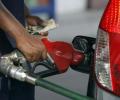
Petrol and diesel prices were on Tuesday hiked by 80 paise a litre each, taking the total increase in rates in the last two weeks to Rs 9.20 per litre. Petrol in Delhi will now cost Rs 104.61 per litre as against Rs 103.81 previously, while diesel rates have gone up from Rs 95.07 per litre to Rs 95.87, according to a price notification of state fuel retailers.

India's consumption stocks, which have outperformed the broader market, are now facing significant pressure due to a gradual rise in fuel prices and the potential for higher inflation. Analysts warn that companies may be forced to pass on increased input costs to consumers, potentially hurting demand across both staples and discretionary categories, with a looming threat of deficient monsoon rainfall further exacerbating inflationary concerns.
